If you're shopping for car shipping, you've probably noticed quotes vary wildly — from $400 on the low end to $3,000+ on the high end for what looks like the same route. The honest truth: auto transport pricing is dynamic, supply-and-demand driven, and changes daily. Here's exactly what goes into your quote and what you should expect to pay in 2026.
Average car shipping cost by distance
Most consumer car-shipping prices in 2026 fall into these distance bands:
- 0–500 miles (short haul): $550–$900 — typically 1–3 days transit
- 500–1,000 miles (mid-range): $750–$1,150 — typically 3–5 days transit
- 1,000–2,000 miles (cross-region): $950–$1,400 — typically 4–7 days transit
- 2,000–3,000+ miles (coast-to-coast): $1,200–$1,800 — typically 7–9 days transit
These ranges are for standard sedans on open transport during a normal-demand window. If you're shipping a pickup truck, an SUV, or anything modified, expect a 10–25% premium. Enclosed transport adds another 40–60%.
The 6 factors that actually drive your price

1. Distance and route
It seems obvious — longer = more expensive — but the per-mile rate actually drops as distance grows. A 200-mile move might cost $3.00–$4.00 per mile while a 2,500-mile move drops to $0.55–$0.75 per mile. Carriers love long hauls because they fill the trailer once and roll.
2. Vehicle size, weight, and modifications
Lifted trucks, dually pickups, vehicles with roof racks, and oversized SUVs eat up more deck space and reduce how many other cars the carrier can load. Modifications like coilovers, splitters, or non-running condition all increase your price (and may require enclosed transport).
3. Open vs. enclosed transport
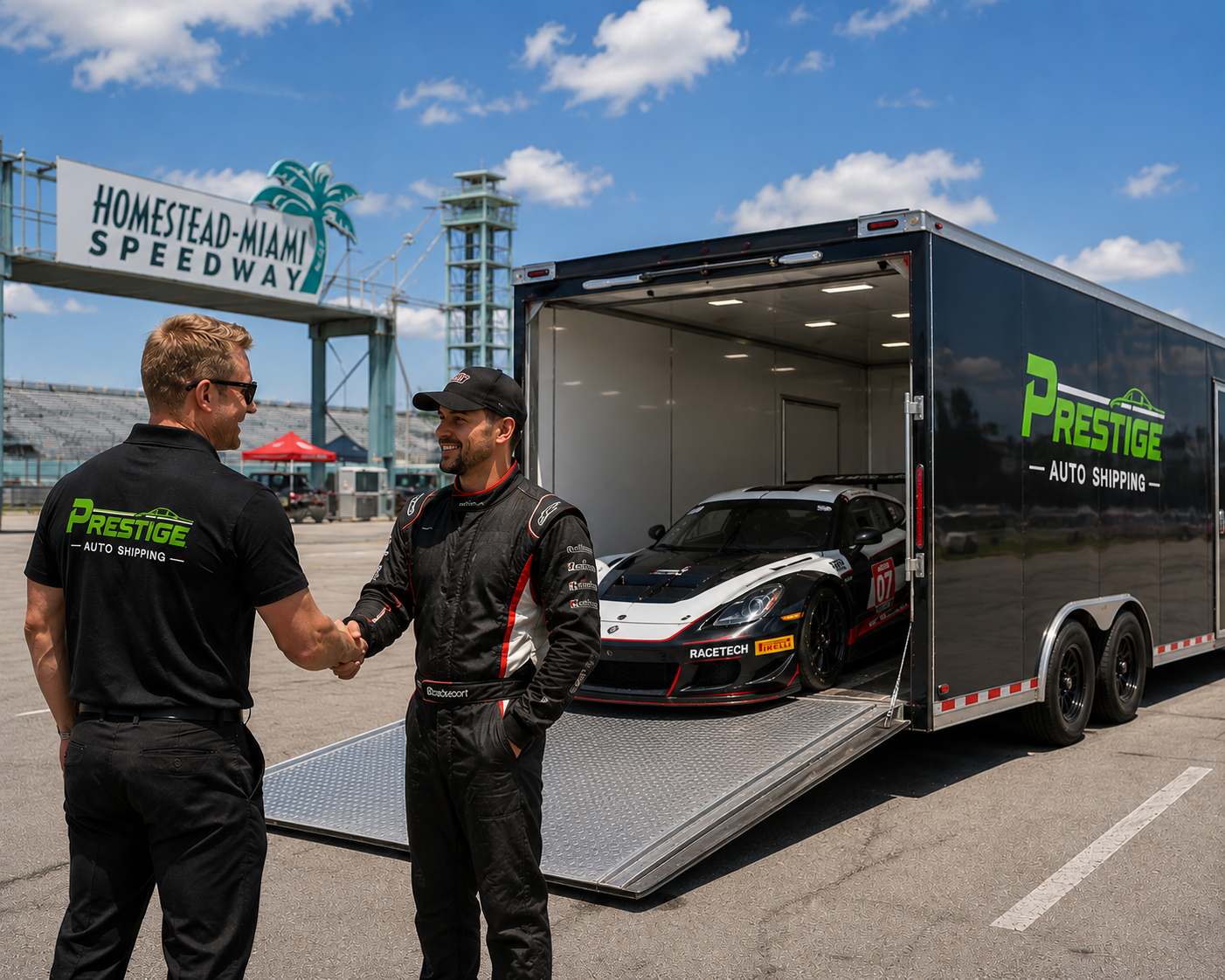
Open transport is the industry standard (~90% of all shipments). Enclosed is for high-value vehicles — exotics, classics, show cars. Expect to pay 40–60% more for enclosed, but you're getting climate-controlled, weather-protected, and typically more attentive handling.
4. Seasonality
Snowbird season (October–November south, March–April north) inflates Northeast/Midwest-to-Florida prices by 25–40%. Summer is the most expensive period for west-coast moves. Late winter and early fall are typically the cheapest windows.
5. Pickup and delivery location accessibility
Major metro to major metro is cheapest. Rural pickups and deliveries cost more because the carrier has to detour from the interstate. If your pickup ZIP is more than ~50 miles from a major highway, expect a $50–$200 surcharge.
6. Timing and flexibility
Rush shipments with a specific 2-day pickup window cost more than flexible windows. The more flexibility you give the carrier, the better your price.
Sample real 2026 prices
- New York → Miami (1,280 mi, sedan, open): $1,050–$1,250
- Los Angeles → Dallas (1,440 mi, SUV, open): $1,150–$1,350
- Chicago → Phoenix (1,750 mi, sedan, open): $1,200–$1,400
- Seattle → Boston (3,000 mi, sedan, open): $1,500–$1,750
- Atlanta → Denver (1,400 mi, classic Camaro, enclosed): $2,100–$2,500
How to avoid getting overcharged
- Get 3+ quotes — if one is dramatically lower than the others, it's likely a bait quote that will be re-priced once you book
- Never pay 100% upfront. A small deposit at booking is normal; the balance is paid at delivery
- Confirm the broker has a current MC number (look up on the FMCSA SAFER database)
- Read recent reviews — not just the top 5-star ones, but the most recent 1- and 2-star ones too
- Get the total in writing including fuel and any surcharges before you book
Get a real, locked-in price from Prestige Auto Shipping
Our quotes are all-in. No fuel surcharges, no surprise fees at delivery, no upfront payment. Fill out the form on our homepage or call us at 561-606-3430 — we'll give you a fair, transparent price in under 60 seconds.