
How to Prepare Your Car for Auto Transport: Complete Checklist

A car shipped on a multi-car carrier rides ~6 feet off the ground, gets strapped down by its wheels, and travels 500+ miles per day. The few small things you do before pickup determine whether the experience is smooth or stressful. Here's the complete checklist.
1 week before pickup
- Confirm pickup window with your transport coordinator
- Identify your driver-license/photo-ID copy (you'll sign the Bill of Lading at pickup)
- Decide where the carrier will meet you (residential driveway, big parking lot, etc.)
- Check your insurance policy — most personal policies cover the vehicle during transport, but call your agent to confirm
3 days before pickup
- Wash the car thoroughly — a clean car makes inspection easy and dispute-free
- Photograph the entire vehicle in good lighting: front, rear, both sides, roof, and any pre-existing damage. Date-stamp the photos
- Make a list of any existing damage (chips, scratches, dents) — your driver will independently note these too
- Don't get your car detailed if you're planning enclosed transport — wait until after delivery
Day before pickup
Remove all personal items
Personal property is NOT insured during auto transport — only the vehicle itself. Remove everything from the cabin, trunk, and storage compartments. This includes:
- Documents (registration goes in the glovebox, but tax/insurance docs should be with you)
- GPS units, dash cams, garage door openers, electronic toll transponders
- Aftermarket stereos / face-off radio fronts
- Loose items in cup holders, console, back seat
- Anything of significant value
Some carriers allow up to ~100 lbs of personal items in the trunk below the window line. Ask your coordinator if you need to ship some belongings.
Fuel level
Leave the tank ¼ full. Federal regulations actually prohibit shipping a vehicle with a full tank — it adds weight and is a safety hazard. ¼ tank is enough for the driver to load, unload, and reposition without needing to refuel.
Check fluids and battery
- Top off coolant, brake fluid, and oil
- Confirm the battery is properly secured and has good charge
- Note any active leaks (oil, coolant) and tell your coordinator
- Inflate tires to manufacturer-recommended pressure
Disable alarms and toll devices
An alarm that goes off mid-transit is a nightmare for the driver. Disable it. Remove or bag electronic toll devices (EZ-Pass, SunPass, etc.) so they don't accidentally trigger billing during transport.
Day of pickup
- Be ready 30 minutes before your window opens — drivers often arrive early
- Have your photo ID and a printed copy of the booking confirmation
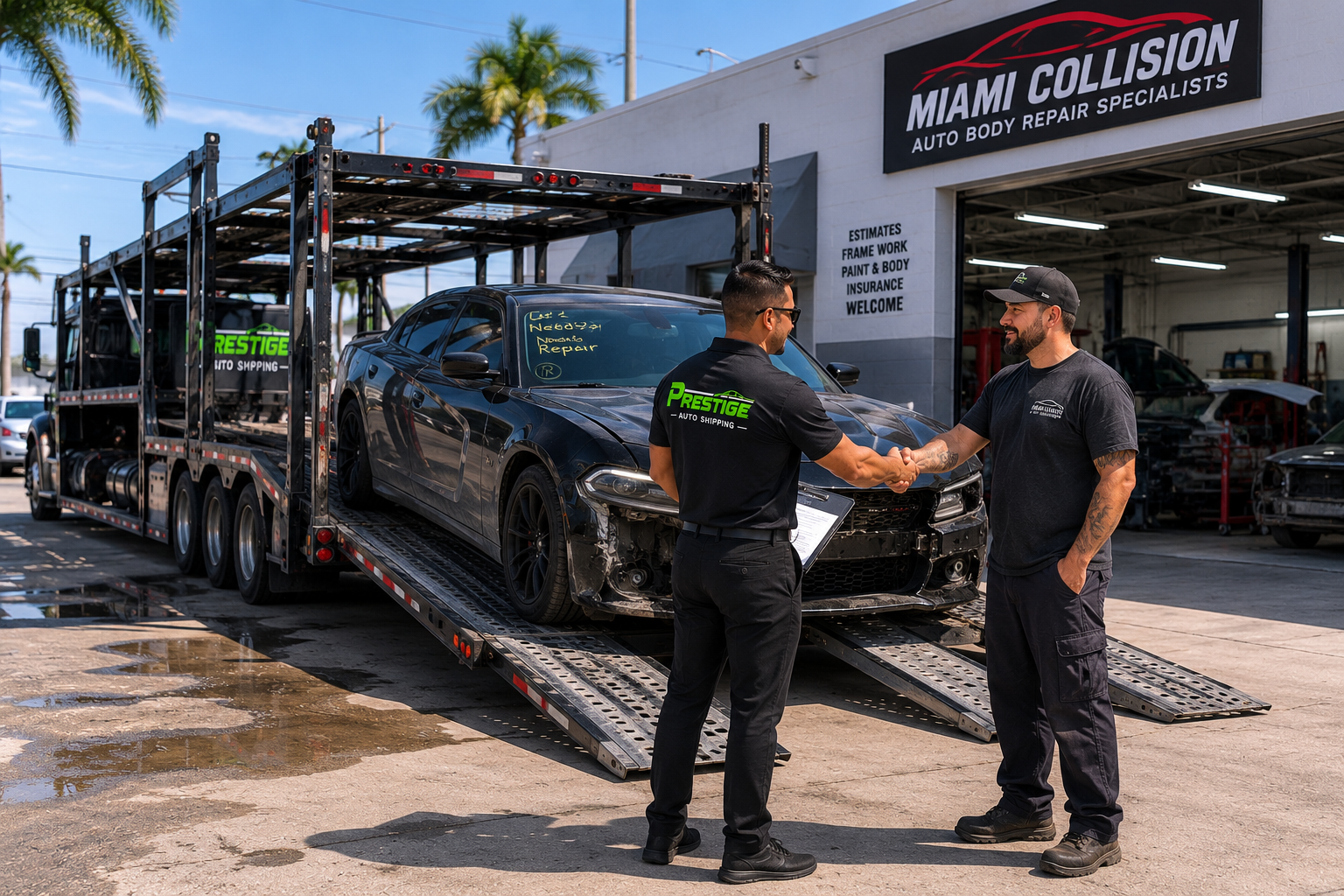
- Walk around the vehicle with the driver and review the Bill of Lading inspection report
- Sign the Bill of Lading and KEEP YOUR COPY — this is your insurance proof
- Hand over only the standard key (not your spare with house keys attached)
What to do at delivery
- Inspect the vehicle thoroughly BEFORE signing the delivery Bill of Lading
- Compare against your pickup photos
- If you find new damage, note it on the BOL before signing — once you sign without notation, the carrier's insurance is no longer responsible
- Pay the final balance (cash or certified check is standard)
- Take photos of the vehicle in its delivered condition
Common mistakes to avoid
- Leaving valuable items inside the vehicle (uninsured loss)
- Failing to take pre-pickup photos (no proof for any dispute)
- Signing the delivery BOL without inspecting first (waives damage claims)
- Topping off the gas tank (federal violation, plus extra weight cost)
- Forgetting to mention recent modifications or pre-existing damage on the booking