Open vs. Enclosed Auto Transport: Which Should You Choose?
Choosing between open and enclosed auto transport is the single biggest pricing decision you'll make when shipping a car. Here's a no-nonsense breakdown of what each method actually delivers and how to decide which one fits your vehicle.
What is open auto transport?
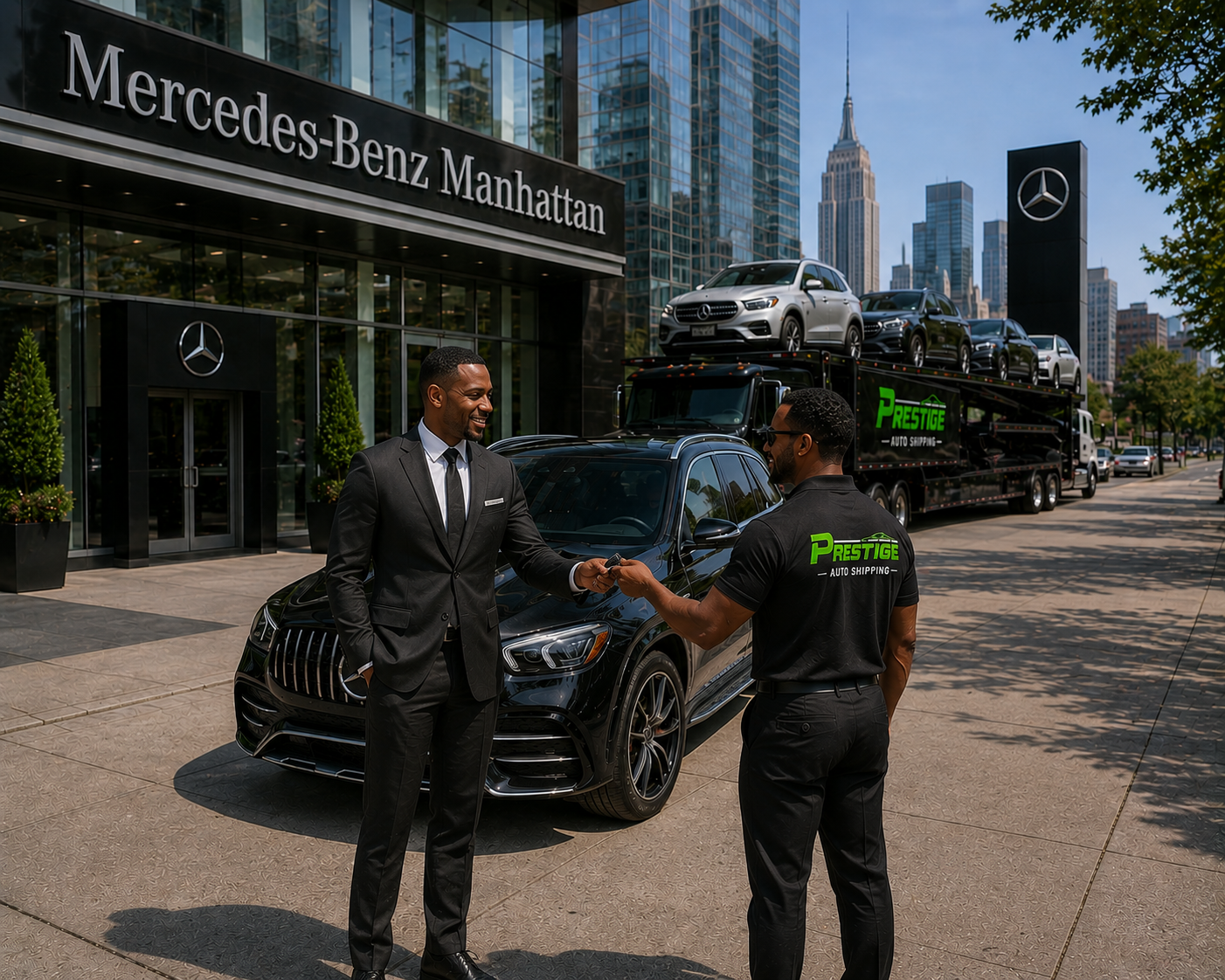
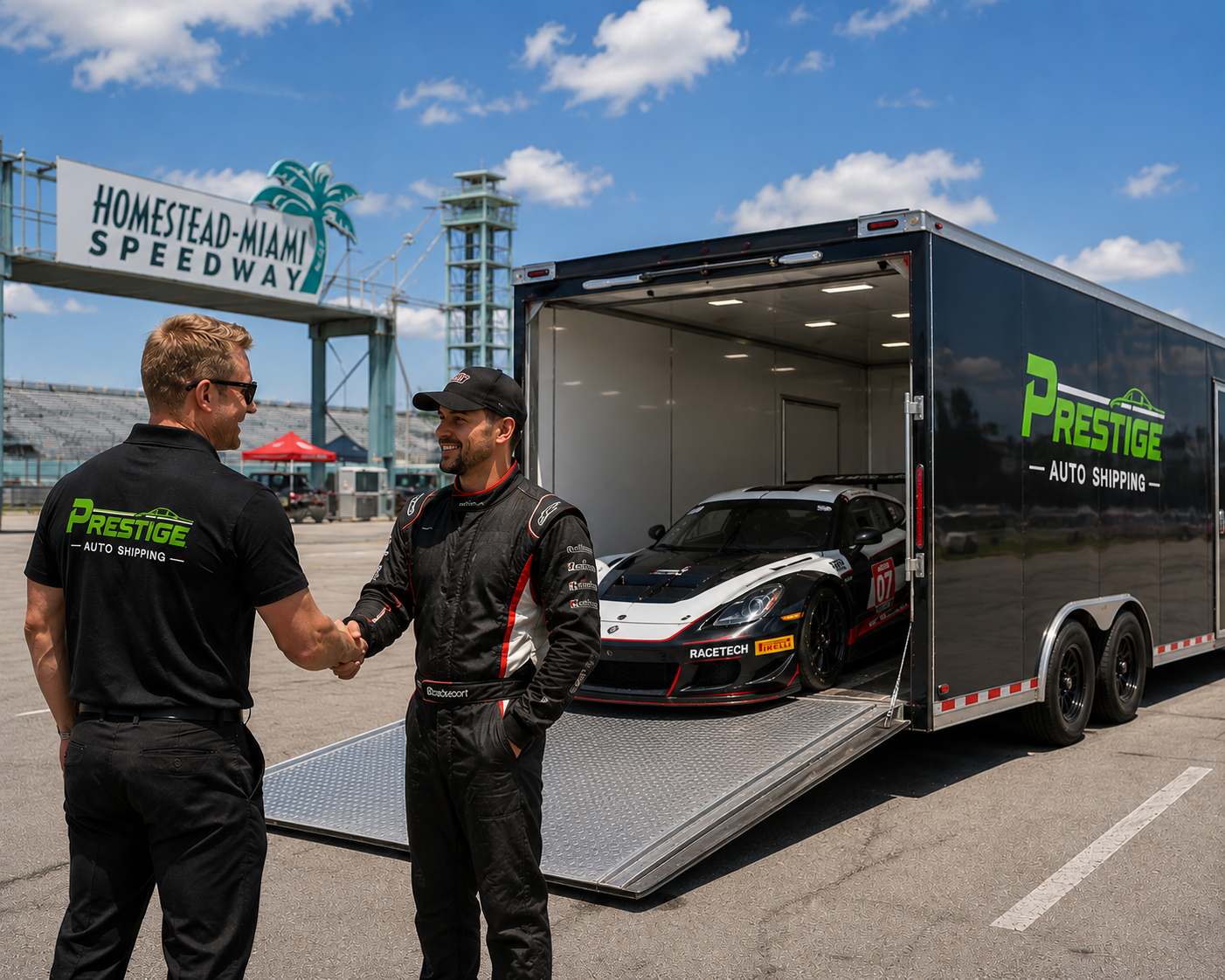
Open transport uses the multi-level steel trailers you've seen on the interstate — the same equipment manufacturers use to deliver new cars from factories to dealerships. Your vehicle is secured at four points using soft nylon wheel straps and rides exposed to the weather and road debris.
About 90% of all consumer car shipments in the U.S. use open transport. It's the standard, it's safe, and it's the most affordable option.
What is enclosed auto transport?
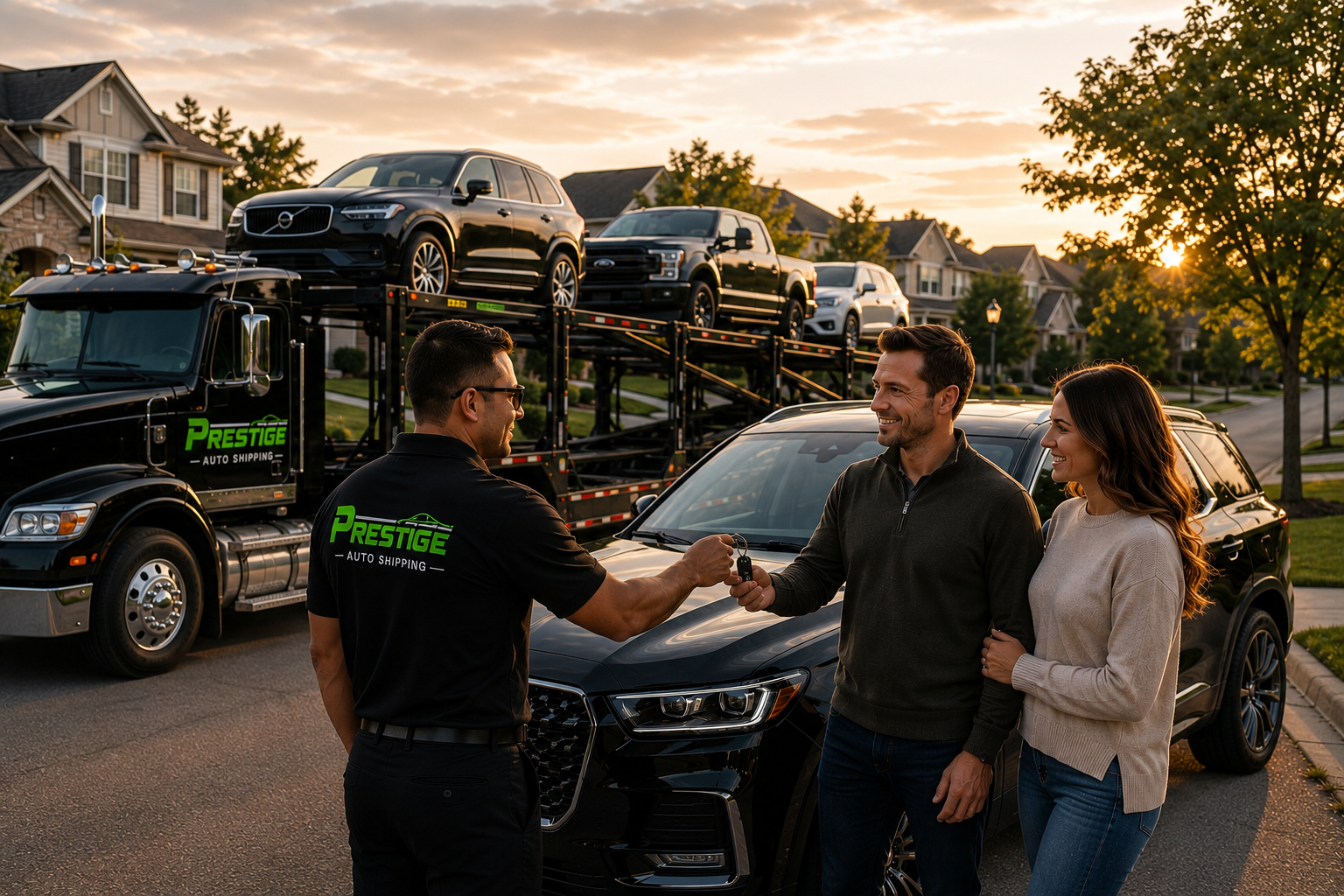
Enclosed transport uses hard-side aluminum or fiberglass trailers that completely seal your vehicle from the outside world. Premium enclosed trailers also include climate control, air-ride suspension, and hydraulic lift gates for zero-degree loading (essential for low-clearance exotics and classics on coilovers).
Side-by-side comparison
| Feature | Open Transport | Enclosed Transport |
|---|---|---|
| Average cost | Standard pricing | +40% to +60% |
| Weather protection | No (some exposure) | Yes (fully sealed) |
| Road debris protection | Limited | Total |
| Vehicles per trailer | 8–10 | 2–6 |
| Loading method | Standard ramps | Hydraulic lift gate available |
| Cargo insurance (typical) | $100K–$250K | $500K–$1M+ |
| Best for | Daily drivers, SUVs, trucks | Exotics, classics, show cars |
When to choose open transport
- Standard sedans, SUVs, and pickup trucks
- Online purchases (Carvana, Vroom, eBay, dealer transfers)
- Snowbird relocations where the car is a daily driver
- Anything you'd typically park outside in normal weather
- Budget-conscious shipments where total cost matters
When to choose enclosed transport
- Vehicles worth $80,000 or more
- Exotics: Lamborghini, Ferrari, McLaren, Porsche GT3, etc.
- Classic cars, especially numbers-matching restorations
- Show cars and Concours entries with original paint
- Low-clearance modified vehicles (track cars, slammed builds)
- Long-distance moves of any vehicle you're emotionally attached to
- Cars heading to or coming from auctions (Mecum, Barrett-Jackson, RM Sotheby's)
Is open transport actually safe?
Yes. The same trailers carry brand-new luxury vehicles from BMW, Mercedes, Tesla, and Porsche factories to dealerships every day. The likelihood of damage in transit on open transport is statistically very low — well under 1% of all open shipments report any damage at all, and most reported issues are minor (small chip, road grime, etc.) rather than significant.
The 'between' option: top-load on open
If you want extra protection on open transport without paying for enclosed, ask for a 'top-load' position. The top deck doesn't drip oil/fluids from the cars above it (because there aren't any above), and your vehicle sits higher off the road surface. Most carriers can guarantee top-load for a $100–$200 upcharge.
Bottom line
Pick open for daily drivers. Pick enclosed for anything you'd hate to scratch. If you're shipping a Lamborghini or a 1969 Camaro SS, the 40–60% premium for enclosed is the cheapest insurance policy you'll ever buy. If you're shipping a 2019 Honda Civic, open is fine and the savings are real.